#9C Tephrocactus Articulate Paper Spine 2"


Price:
Sale price$ 3.78

Description

The Succulent Source · Plant notes

Meet Paper Spine Tephrocactus.

Soft cactus · Protect from frostGrow frost-free. Shelter before freezing weather and avoid cold, wet roots; small pots need extra winter protection.

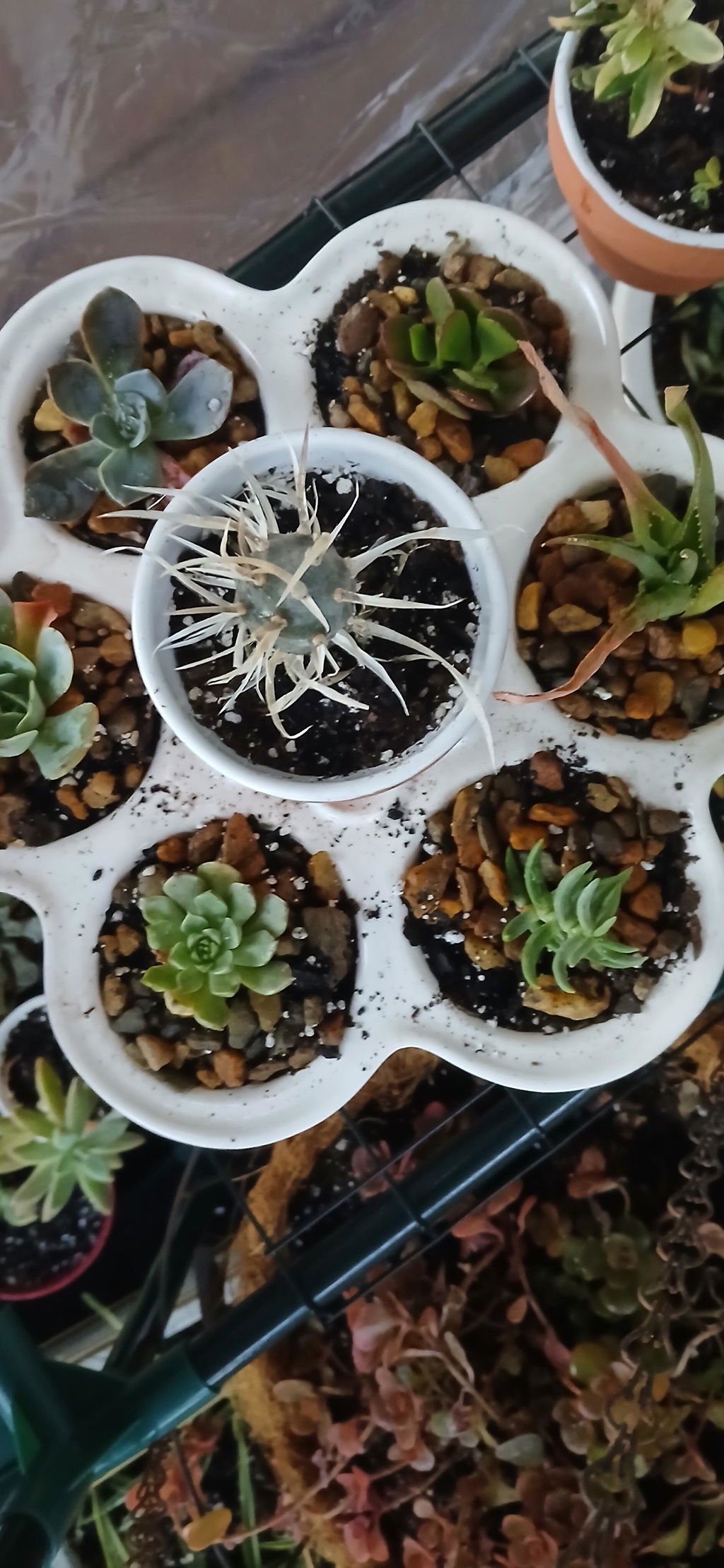
Papery-looking spines and jointed segments give this Tephrocactus a distinctive texture.

What you’re ordering: One juvenile Paper Spine Tephrocactus in a 2-inch plastic nursery container. Segment count, branching, and spine development vary with growth. Photos are representative.
  • LightBright light; acclimate to direct sun
  • WaterDry between drinks; much less at rest
  • SoilOpen, free-draining mix; drainage holes
  • Cold hardinessSoft cactus · Protect from frost
Paper Spine Tephrocactus — photo from this product listing
Photo from this listing. See ordering details for exact specimens, assortments, and natural variation.

A closer look

Form, texture & room to grow.

Papery-looking spines and jointed segments give this Tephrocactus a distinctive texture. The paper-like appearance is not an invitation to touch: handle the pot, and keep hands clear of the areoles and small barbed bristles.

This is a plant to grow on. Body shape, spines, branching, and eventual flowers develop with age and conditions. A starter pot is not a mature-size specification, and flowering is not guaranteed.

The everyday essentials

How to keep it growing.

01 · Find the right light

Start in a bright, sheltered spot after shipping. Introduce direct sun gradually rather than moving straight into hot afternoon exposure. A sunny window or suitable grow light is useful indoors; narrow, pale new growth can indicate too little light.

02 · Check before watering

For an established, actively growing plant, let the mix dry before watering the roots thoroughly and letting the pot drain. Empty the saucer. Do not add a little water every day. A resting plant in cool conditions needs much less water than one growing in warmth and good light.

03 · Give roots air and drainage

Use a porous cactus mix and a pot with drainage holes. Add suitable mineral material such as pumice or perlite if the mix stays damp too long. Choose a pot only a little larger than the roots, and keep the stem base above persistently damp soil.

04 · Adjust through the year

Watch growth and temperature rather than following a weekly calendar. Reduce watering as light and growth decline. Keep the plant bright and ventilated in winter, and protect it from cold wet roots. A small nursery pot is more exposed to temperature swings than an established garden plant.

Small bristles need care too. Opuntia relatives can carry tiny barbed bristles called glochids as well as larger spines. They detach readily and can irritate skin. Handle the pot with suitable protection, and keep hands away from the areoles even if a stem looks nearly spineless.

Start here

The first few days at home.

Unpack promptly and gently remove loose packing material. Begin in bright, protected light while the plant adjusts. If soil has shifted, gently reseat the plant at its original depth. Check moisture and the condition of the roots before adding water; arrival day is not automatically watering day.

Small dry marks, older leaf tips, or spine imperfections can occur on living nursery plants. They do not become perfect again on the same tissue; later healthy growth changes the overall appearance. If you see progressive softening, a collapsed base, or another concern on arrival, take clear photos and contact us.

Know what you’re seeing

Pests & common growing questions.

Pale, narrow new growth?

Insufficient light can cause stretching. Move toward better light gradually; an abrupt jump to hot sun can burn the plant. Existing stretched tissue will not regain its original shape.

A soft base or a leaning plant?

Check the soil and roots before adding water. A soft, darkening base in damp mix can indicate rot. Shrivelling can also follow root loss, so it is not by itself a reason to water more.

Inspect before treating.

Inspect sheltered joints and the root zone for mealybugs or scale. Natural wool, pale areoles, and surface markings are not automatically pests. Isolate a suspect plant, identify the problem, and follow the label for any suitable treatment.

Old marks or an active problem?

Dry, stable surface marks differ from spreading discoloration, soft tissue, or a collapsing growing point. Check light, moisture, roots, and pests together. Keep a newly arrived plant separate while you learn its condition.

A few useful answers

Before you choose your spot.

What if a segment comes loose?

The joints can detach easily. Keep the piece dry while the break seals, then use a suitable gritty rooting mix. Do not keep a fresh break wet. Contact the nursery with photos if you are concerned about shipping damage.

How can I grow more?

A healthy detached segment can sometimes be rooted after the break has dried and sealed. Use a gritty mix, stable support, and careful moisture while roots form. Let this starter establish before removing segments, and do not keep a fresh break wet.

Will I receive the exact plant pictured?

Check the ordering details below. Standard nursery selections and assortments use representative photos. An exact-specimen listing refers to the specimen offered, but living plants keep growing and leaf colors can change between photography and shipping.

A few ordering details.

One juvenile Paper Spine Tephrocactus in a 2-inch plastic nursery container. Segment count, branching, and spine development vary with growth. Photos are representative.

Container measurements describe the pot rather than a guaranteed plant diameter or mature height. Please review every option and photo before ordering. Natural variation in color, size, and form is expected.

Plant care references

RHS: Tephrocactus articulatus · RHS: cacti and succulent growing guide · Iowa State Extension: succulent troubleshooting. Ordering facts and nursery names come from this listing. A genus reference describes shared growing needs, not a verified identity or cold rating for an unnamed selection. Adjust care to your conditions.

Tips For Success

Estimate shipping

We take the stress out of Weddings, Showers, & Events with our:
Excellent Customer Service, Safe Shipping, and Beautiful Succulent Favors.

You may also like

Recently viewed