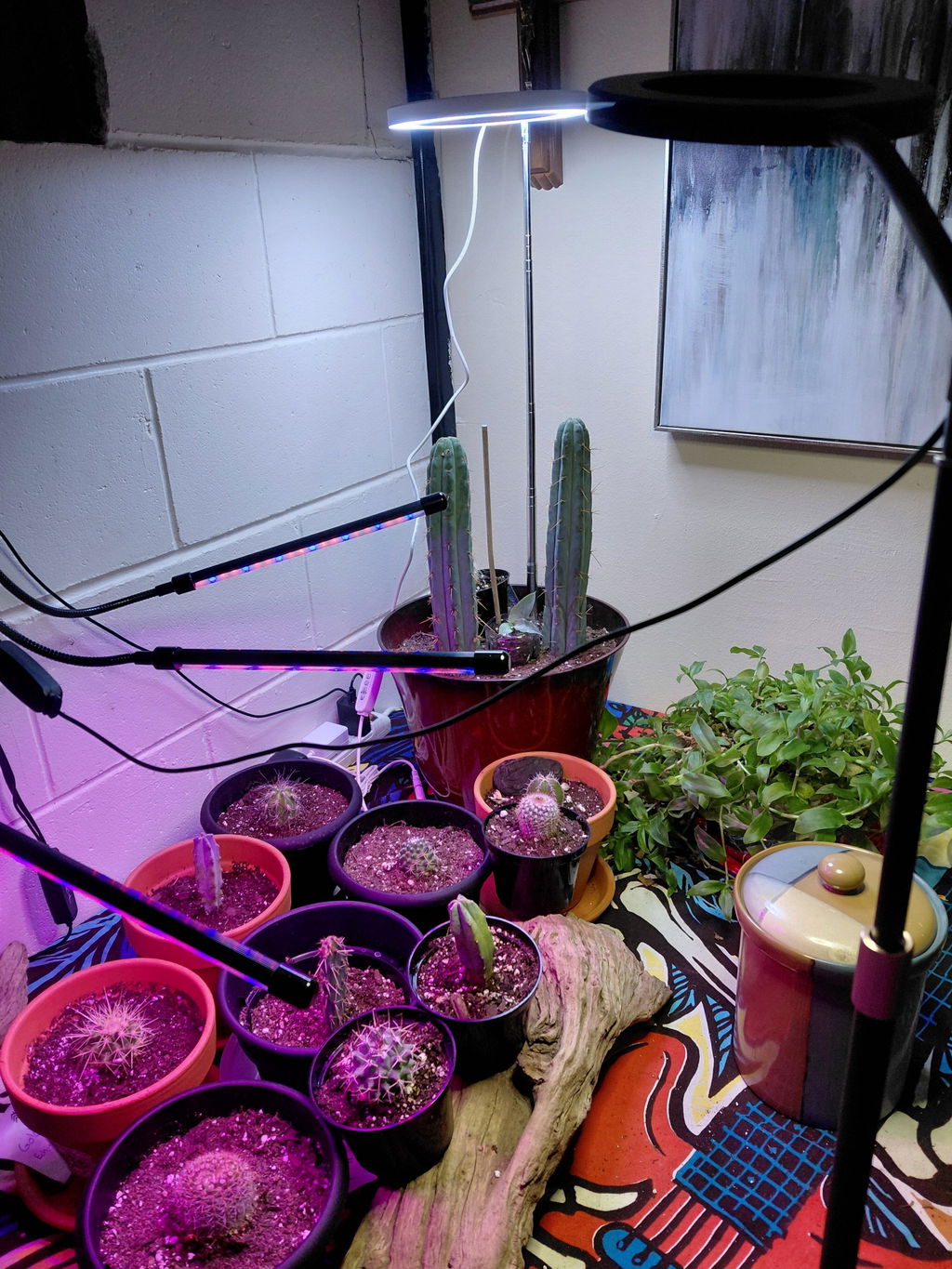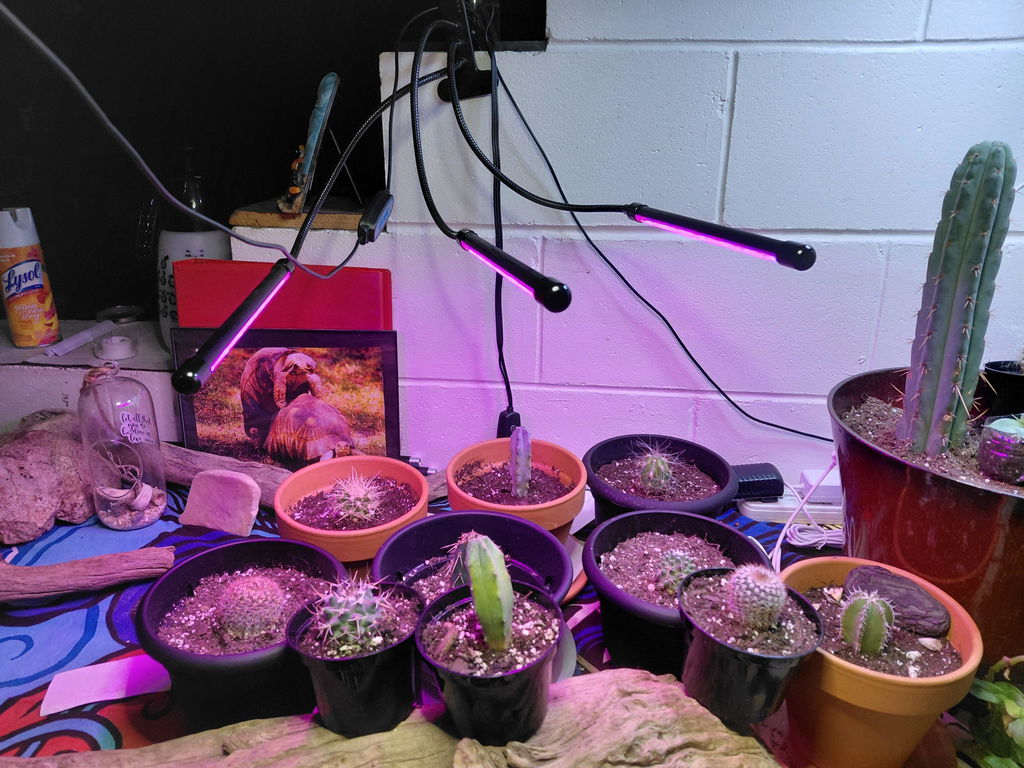
Timely delivery, large and healthy plants. Wired them up for bouquets and boutonnieres. Perfect!
Beautiful specimens arrived well packaged.
Got 2 freebies too!
Thank you!
Excellent service and fast shipping.
The Succulent Source · Plant notes
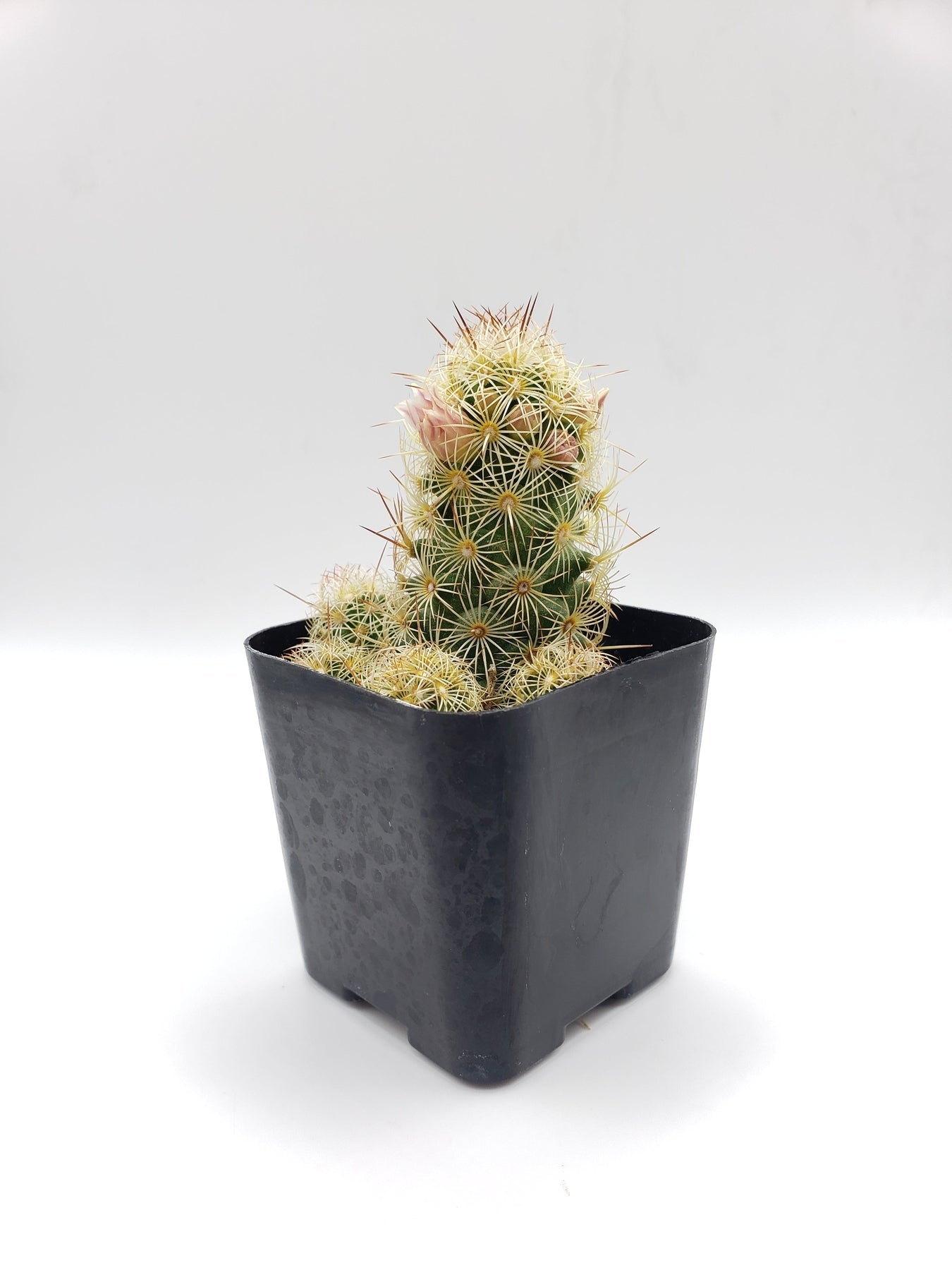
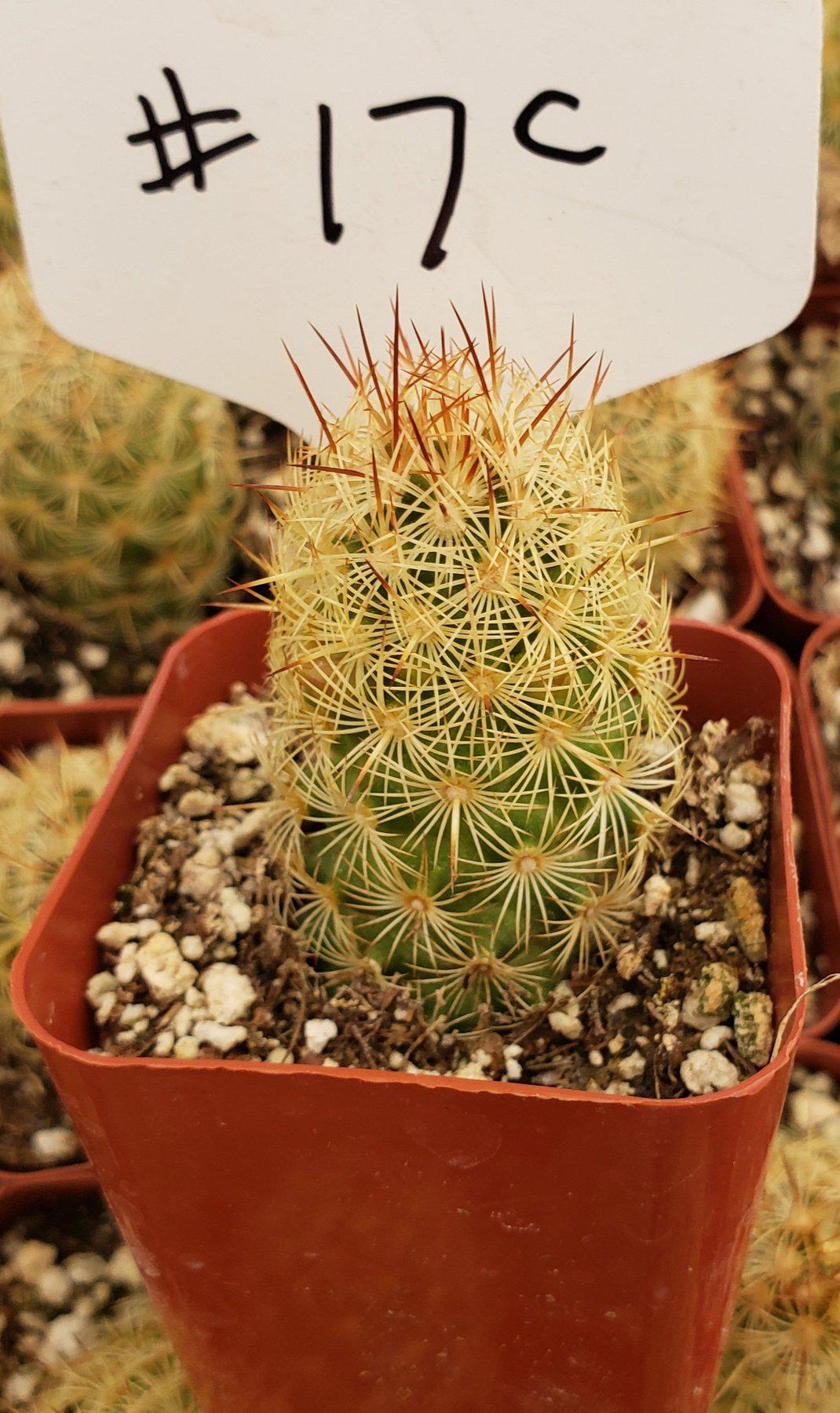
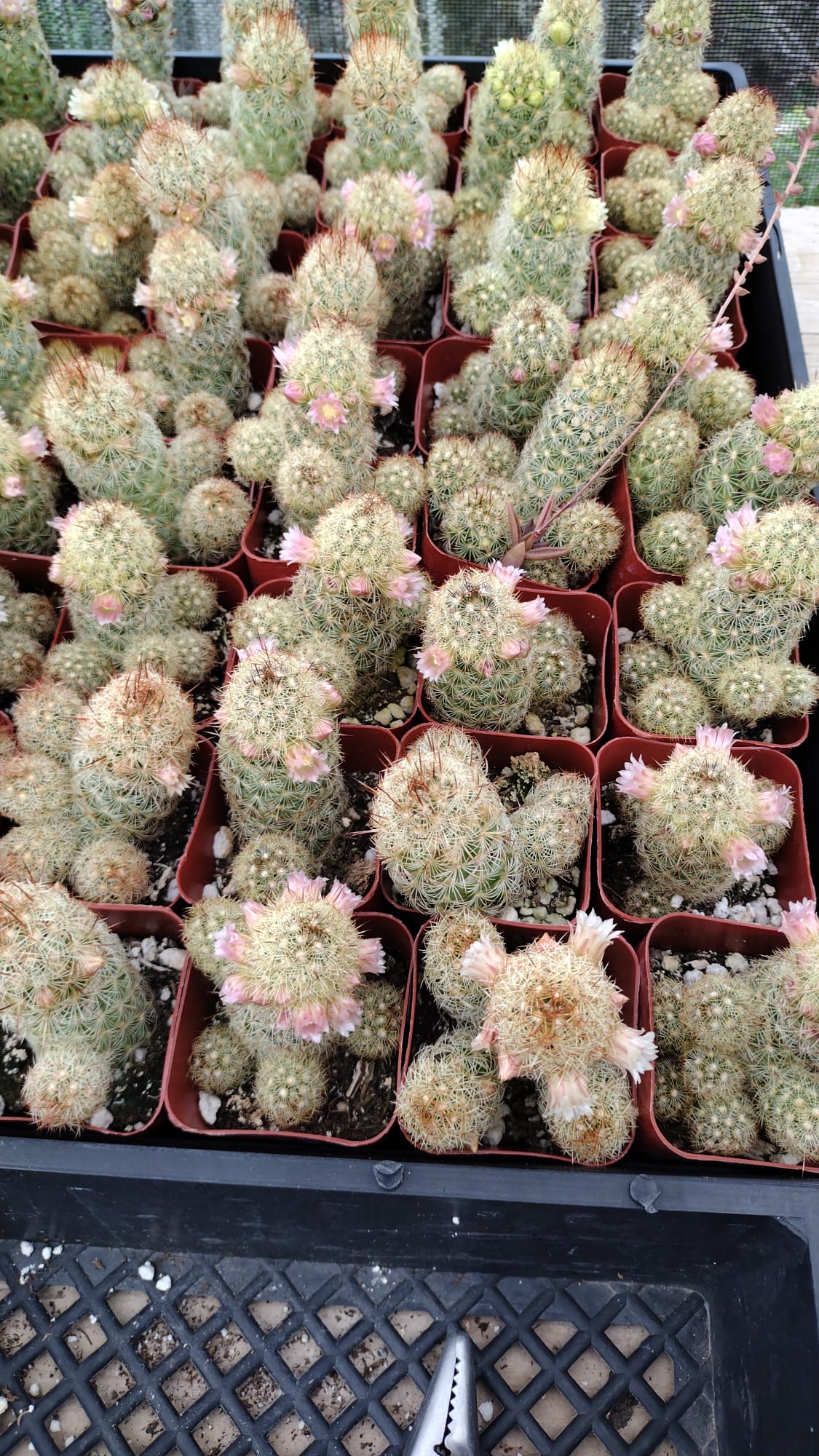
Finger-like stems give this Mammillaria nursery selection a different rhythm from round ball cacti.

A closer look
Finger-like stems give this Mammillaria nursery selection a different rhythm from round ball cacti. A small start can gradually become a fuller group. Spine development and stem number change with age, light, and the individual plant.
This is a plant to grow on. Body shape, spines, branching, and eventual flowers develop with age and conditions. A starter pot is not a mature-size specification, and flowering is not guaranteed.
The everyday essentials
Start in a bright, sheltered spot after shipping. Introduce direct sun gradually rather than moving straight into hot afternoon exposure. A sunny window or suitable grow light is useful indoors; narrow, pale new growth can indicate too little light.
For an established, actively growing plant, let the mix dry before watering the roots thoroughly and letting the pot drain. Empty the saucer. Do not add a little water every day. A resting plant in cool conditions needs much less water than one growing in warmth and good light.
Use a porous cactus mix and a pot with drainage holes. Add suitable mineral material such as pumice or perlite if the mix stays damp too long. Choose a pot only a little larger than the roots, and keep the stem base above persistently damp soil.
Watch growth and temperature rather than following a weekly calendar. Reduce watering as light and growth decline. Keep the plant bright and ventilated in winter, and protect it from cold wet roots. A small nursery pot is more exposed to temperature swings than an established garden plant.
Start here
Unpack promptly and gently remove loose packing material. Begin in bright, protected light while the plant adjusts. If soil has shifted, gently reseat the plant at its original depth. Check moisture and the condition of the roots before adding water; arrival day is not automatically watering day.
Small dry marks, older leaf tips, or spine imperfections can occur on living nursery plants. They do not become perfect again on the same tissue; later healthy growth changes the overall appearance. If you see progressive softening, a collapsed base, or another concern on arrival, take clear photos and contact us.
Know what you’re seeing
Insufficient light can cause stretching. Move toward better light gradually; an abrupt jump to hot sun can burn the plant. Existing stretched tissue will not regain its original shape.
Check the soil and roots before adding water. A soft, darkening base in damp mix can indicate rot. Shrivelling can also follow root loss, so it is not by itself a reason to water more.
Inspect sheltered joints and the root zone for mealybugs or scale. Natural wool, pale areoles, and surface markings are not automatically pests. Isolate a suspect plant, identify the problem, and follow the label for any suitable treatment.
Dry, stable surface marks differ from spreading discoloration, soft tissue, or a collapsing growing point. Check light, moisture, roots, and pests together. Keep a newly arrived plant separate while you learn its condition.
A few useful answers
Yes, if you can supply enough light, good drainage, and space for its growth. A bright window is usually a better starting point than a dark shelf. Watch the newest growth and improve light gradually if it becomes thin or stretched.
Seed is a dependable starting method for many cactus species. Some also make offsets that can be separated once well developed. Do not cut a small plant simply because another cactus can root from a cutting; the right method depends on its identity.
Check the ordering details below. Standard nursery selections and assortments use representative photos. An exact-specimen listing refers to the specimen offered, but living plants keep growing and leaf colors can change between photography and shipping.
One juvenile Lady Finger Mammillaria in a 2-inch plastic nursery container. The listing gives a common name rather than a confirmed species. Photos are representative.
Container measurements describe the pot rather than a guaranteed plant diameter or mature height. Please review every option and photo before ordering. Natural variation in color, size, and form is expected.
The Mammillaria Society: growing Mammillarias · RHS: cacti and succulent growing guide · Iowa State Extension: succulent troubleshooting. Ordering facts and nursery names come from this listing. A genus reference describes shared growing needs, not a verified identity or cold rating for an unnamed selection. Adjust care to your conditions.