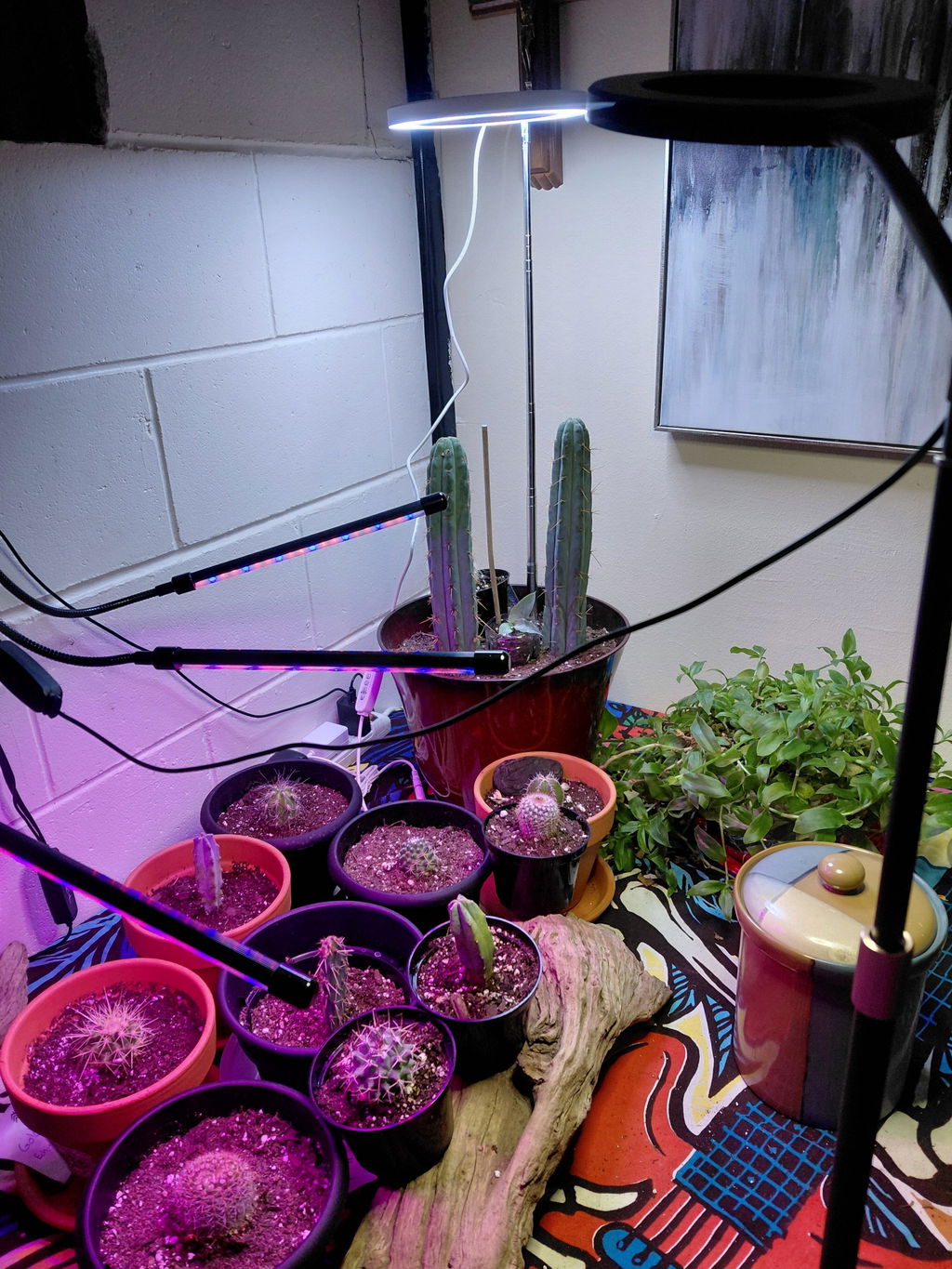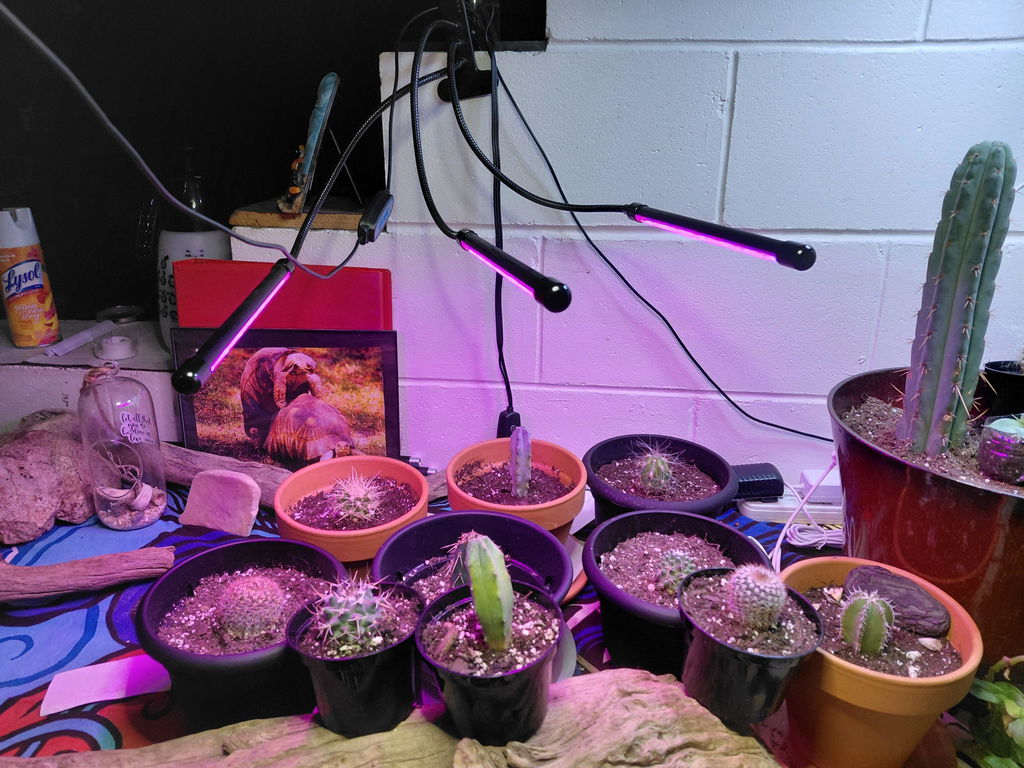
Pachanoi.
The San Pedro cactus.
Echinopsis pachanoi · Trichocereus pachanoi
Sculptural stems. A whole lot of character. Get to know this classic columnar cactus—and learn how to help yours settle in, root, and grow.
01 / Meet the species
A classic.
For good reason.
Pachanoi brings height, texture, and a little personality to a sunny collection. Start with the plant itself, then build your care around your climate.
Upright green columns, rounded ribs, and room to grow.
Commonly called San Pedro, Pachanoi is a columnar cactus associated with the Andean regions of South America. You will see both Echinopsis pachanoi and Trichocereus pachanoi used in nurseries and collections.
Its stems range from green to blue-green, with rounded ribs and usually short spines. An established plant can branch and eventually become a substantial specimen. Growth, color, rib shape, and spine length vary with genetics and conditions.
- Common name
- San Pedro cactus
- Names you’ll see
-
Echinopsis pachanoi
Trichocereus pachanoi - Growth habit
- Upright, branching columns
- Appearance
- Green to blue-green; rounded ribs
- Long-term size
- Potentially 10–20 ft in suitable outdoor conditions; usually smaller in containers
- Best starting point
- Strong light, drainage, and a gradual transition

Know what you’re looking at
The details of a column.
- Ribs
- The raised vertical folds give the stem its shape. Their appearance changes as the stem takes up and uses stored water.
- Areoles
- The regularly spaced points along the ribs produce spines and can produce new growth. Natural fuzz at an areole is not automatically a pest.
- Growing tip
- New height develops at the top. Protect this area from handling damage and abrupt changes in sun exposure.
- Skin & surface marks
- Color and surface bloom vary. Old dry scars can remain while new growth continues above them.
These features help you read your plant. Reliable labels and parentage are still the best guide to identity, especially with hybrids.
02 / Everyday care
Give it the basics.
Let it do its thing.
These guidelines are for a rooted, established plant. An unrooted cutting needs a gentler start—see the getting-started section below.
01 — LIGHT
Bright, with a transition.
Choose a bright spot. Introduce direct sun gradually, especially after shipping, winter storage, or shade. Morning sun is a useful starting point; intense afternoon heat may call for protection. Narrow, stretched growth is a reason to reassess the light.
Full sun or partial shade can both work, depending on your climate and the plant’s history. Make a move in stages and watch the skin and new tip instead of using a fixed number of sun hours for every location.
02 — WATER
A good soak. Then a pause.
During warm, active growth, water an established plant thoroughly and let excess drain away. Let the mix dry between waterings. A hot patio pot and a cool indoor pot dry at very different rates. Never leave the pot sitting in water.
Check more than the surface: a dry top can hide a damp root zone. A noticeably lighter pot and a dry mix deeper down are useful clues. Sustained wetness is a reason to review drainage before adding more water.
03 — SOIL & POTS
Give water a way out.
Use a porous cactus mix and a pot with drainage holes. Pumice or perlite can improve an overly moisture-retentive mix. Choose a stable pot that fits the root system; a much larger pot can stay wet longer than the roots need.
04 — FEEDING
Feed growth, not dormancy.
Once roots are established and the plant is actively growing, use a cactus fertilizer according to its label. Avoid fertilizing an unrooted cutting. Pause feeding when growth slows in cooler conditions.
Start conservatively, especially after repotting into a mix that already contains fertilizer. More fertilizer will not compensate for weak light, damaged roots, or constantly wet soil.
05 — TEMPERATURE
Warm growth. A dry rest.
Protect potted plants from freezing, prolonged cold rain, and abrupt temperature changes. Cold tolerance depends on the individual plant, moisture, and exposure. A hardiness-zone label is not a promise that a wet container will tolerate a freeze.
06 — INDOOR GROWING
The brightest spot wins.
Use your brightest suitable window and monitor new growth. If it becomes thin or leans toward the window, more light may be needed. Keep air moving, avoid cold drafts, and account for slower drying indoors.
A suitable grow light can supplement a dim window. Follow its coverage and distance instructions, then judge by healthy new growth. Routine misting is unnecessary; air movement and drying between waterings matter more.
03 / Soil, drainage & repotting
Build a better
root environment.
The mix, the pot, and your weather work together. Start with drainage, then adjust the setup to how quickly it actually dries.
The pot, explained · Cross-section

Start with a cactus mix.
Choose a quality, free-draining mix. If a bagged blend stays dense or wet in your conditions, add a coarse mineral material such as pumice or perlite to improve its structure. Fine, compacted material can work against the drainage you are trying to create.
There is no single mix that suits every patio and greenhouse. In a rainy or humid location, a more open mix and shelter from prolonged rain can help. In a hot, dry location, you may need a blend that retains some moisture without becoming soggy.
- Choose drainage before decoration.Use a nursery or terracotta pot with holes, then place it inside a decorative container if desired. Empty the outer container after watering.
- Match the pot to the roots.A modest increase in size is usually easier to manage than a big jump. Terracotta often dries faster than plastic in the same location.
- Make tall plants stable.A broad, sturdy base and careful support can reduce tipping. Do not solve a leaning stem by burying a large length of healthy tissue.
Is it time?
Consider repotting when roots fill the pot, the plant becomes unstable, or the mix no longer drains well. Height alone does not tell you how large the roots are.
Protect the plant.
Work with manageable, relatively dry mix. Use sturdy gloves and support the column. Ease the root ball out rather than pulling hard on the stem.
Check below the surface.
Look for healthy roots, pests, and damaged or soft areas. Use clean tools and avoid unnecessary trimming of sound roots.
Let damage heal.
Replant at a sensible depth, give damaged roots time to heal, then resume watering according to root condition and drying. Reintroduce harsh sun gradually.
More detail: our soil and rooting notes · University of Minnesota Extension: general cactus care
04 / Hardiness zones & winter temperatures
Know your winter.
Plan your protection.
USDA zones describe average annual extreme winter lows. They help with planning, but local rain, exposure, and the duration of a freeze also affect a cactus.
What does “zones 8–11” mean?
You may see Pachanoi listed for USDA zones 8–11. That broad nursery range spans winter lows from 10°F to 50°F. It should not be read as a promise that every plant will tolerate the coldest temperature shown.
For home growing, use a frost-protected container setup when winter conditions are uncertain. Young plants, unrooted cuttings, wet roots, and exposed pots need particular care.
Cold and wet are a difficult pairing.
A sheltered, established plant in fast-draining ground is in a different situation from a small plant in a wet pot. Long cold spells, repeated freezes, and cold rain can make winter care harder even in a generally mild zone.
A south-facing wall or covered patio may improve shelter, but neither replaces a plan for freezing weather. Check your own forecast and the conditions immediately around the plant.
Climate reference only: these are USDA zone definitions, not experimentally established survival limits for your Pachanoi. Half-zones “a” and “b” divide each 10°F range into 5°F bands.
Growing in a container
A movable pot is the most flexible choice where freezes are possible. Before cold arrives, reduce watering as growth and drying slow, choose a bright protected location, and avoid leaving the pot exposed to cold rain. Heavy containers are easier to move if you plan their position early.
Growing in the ground
Consider permanent outdoor planting where local winter conditions are suitable. Choose an exceptionally well-drained site, avoid low spots that collect water or cold air, and allow space for the mature plant. In a marginal climate, a container keeps more options open.
A practical planning trigger. Arrange frost protection before forecasts reach freezing. This is a conservative care rule, not a claim that tissue damage begins at one exact temperature. Keep plants away from freezing glass and unheated spaces that also freeze.
Find your USDA zone · USDA: what the map can and cannot tell you
05 / A year with Pachanoi
Same cactus. Different seasons.
Ease back into growth.
As warmth and active growth return, reassess light, drainage, and root health. Reintroduce watering gradually to match the plant’s needs. Move a winter-sheltered cactus into stronger sun in stages, rather than all at once.
Follow the heat, not a schedule.
Check pots more often in warm, sunny conditions, while continuing to let the mix dry between waterings. Watch for sunburn during heat waves and after moving a plant. Warm weather is a useful rooting window, but unrooted cuttings still need protection from harsh sun.
Let the pace slow.
As days shorten and temperatures drop, pots usually dry more slowly. Reduce watering to match that change and stop feeding as growth slows. Plan a bright, protected location before freezing weather or prolonged cold rain arrives.
Keep the rest cool and dry.
In cool conditions, the plant uses less water, so keep the mix on the dry side and protect it from frost. A warm indoor plant may behave differently from a cool dormant one. Adjust to actual growth and drying rather than treating every winter setup the same.
06 / Getting started
A good start
looks different for each plant.
A rooted plant and a fresh cutting are at different stages. Choose the one you have for the right first steps.

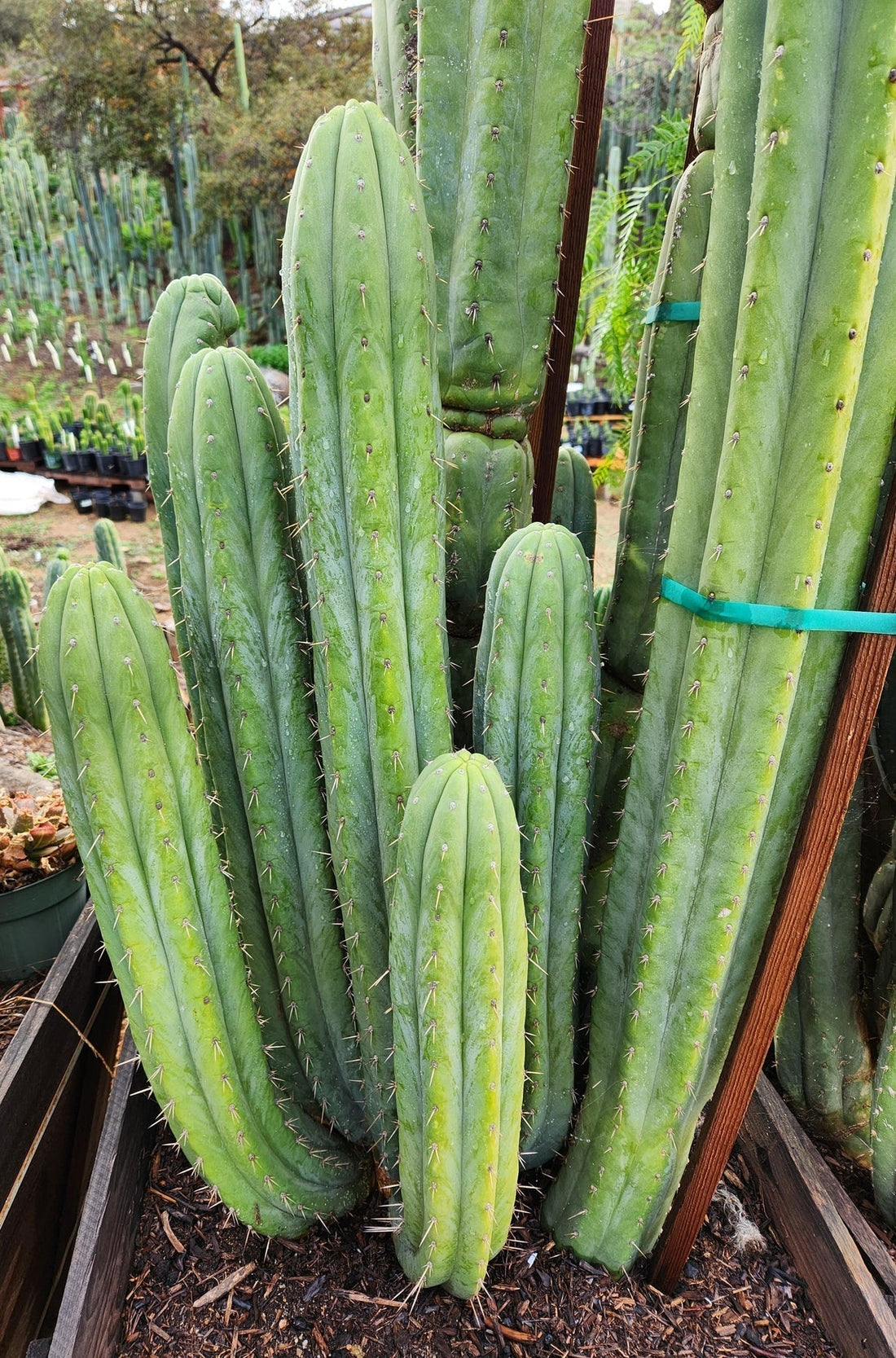
Pachanoi SS Lima at our nursery · Individual plants and growth habits vary.
Unpack. Inspect. Acclimate.
Give your cactus a calm transition before expecting a growth spurt.
- Handle with protection.Wear sturdy gloves, support the plant, and unpack it carefully. Short spines can still hurt.
- Check the plant and its roots.Look for shipping damage or soft tissue. If it arrived bare-root, use a suitable draining mix and allow damaged roots to heal before watering.
- Start in bright, protected light.Avoid an immediate move from a shipping box into harsh midday sun.
- Assess before watering.Check soil moisture, root condition, and the weather. After settling in, follow the established-plant care above.
Let roots set the pace.
Warm conditions and patience matter more than a deadline.
- Check for a dry, firm callus.The cut end should be fully dry before planting. Keep a fresh or damp end in a shaded, airy place until it heals.
- Plant into a draining setup.Use a pot with holes and porous mix. Set the base about 2–3 inches deep if its size allows; support a tall cutting without burying it excessively.
- Give it warmth and protected light.Keep it out of harsh sun and avoid soaking the mix while waiting for roots.
- Begin watering gently once rooted.Our rooting guide suggests checking around 3–4 weeks, though some cuttings take longer. Increase light gradually as the plant establishes.
Need the full walkthrough? Read our cactus-rooting guide ↗
07 / Growth, propagation & collecting
Give the roots time.
Make room for the column.
An established Pachanoi can grow vigorously. The first job of a new cutting is to establish a functioning root system.


Growth reference: The Succulent Source: Tricho Notes. Growth figures describe possibilities, not a guarantee for an individual plant.
08 / Flowers, buds & pollination
Watch for the fuzz.
Leave the buds in place.
Flowers are one of the rewards of a mature plant in suitable conditions. A young cutting may need years of growing before it reaches that stage.
From a fuzzy bud to a large bloom.
Flower buds can begin as small, woolly-looking growths on the stem. Avoid knocking them off or treating every patch of natural fuzz as an infestation. Observe where the growth is attached and whether it develops into a bud.
Pachanoi is known for large white flowers. Blooming often falls in the warmer part of the year, although climate and the individual plant change the timing. Each flower is short-lived, so check a developing bud regularly.
- Flower color
- White
- Flowering stage
- Mature, established plants
- Typical timing
- Warmer growing months
- Consistency
- Season and plant dependent
After successful pollination, a flower can be followed by a fruit and seed pod. Not every flower sets seed. Keep pesticides away from open blooms and visiting pollinators, and follow product-label directions.
Flower stages · simplified illustration

More on buds and flowering: our Tricho Notes. All plants are sold for ornamental growing and collecting.
09 / Pests & plant health
Look closely.
Treat what is actually there.
Inspect stem grooves, areoles, growing tips, and the area near the soil. A hand lens helps separate insects and mites from normal fuzz or old scars.
These are pests to watch for in a cactus collection, not signs that every Pachanoi will have a problem. Isolate a suspect plant while you identify the cause and check neighboring pots.
 Signs · schematic / not to scale
Cottony clusters
Mealybugs
- Look for
- Irregular white, waxy clusters tucked into protected areas. Sticky residue can also occur. Check beneath the wax for insects rather than assuming all white material is a pest.
- What to do
- For a small visible patch, a cotton swab lightly dampened with 70% or weaker isopropyl alcohol can help. Test a small area first and monitor for skin damage before treating more. Recheck for hidden insects and new hatchlings.
 Signs · schematic / not to scale
Small raised discs
Scale insects
- Look for
- Round or oval, shell-like bumps attached to the surface. Color varies. Compare with the regular arrangement of areoles and inspect with magnification.
- What to do
- Confirm the insect, isolate the plant, and carefully remove a few accessible pests without gouging the skin. Larger infestations may need a labeled treatment. The young crawler stage can be easier to target than covered adults.
 Signs · schematic / not to scale
Speckling & fine webbing
Spider mites
- Look for
- Tiny moving dots, fine webbing, and pale speckling or bronzing. A hand lens helps; not every patch of discoloration is mite damage.
- What to do
- Confirm mites before treating. Choose a product labeled for mites and suitable for cacti. Thorough coverage and follow-up matter. Avoid applying oils or soaps in extreme heat or to a stressed plant; test first.
Check below the soil line, too.
If growth stalls despite suitable care, inspect the roots when you next unpot the plant. Some mealybugs feed below ground and can leave white wax around roots or the inside of a pot. A root problem may not be visible from the tip.
Fungus gnats hovering around consistently damp mix are another reason to review watering and drying. Do not assume every root problem is an insect problem; persistently wet mix and damaged tissue need attention too.
Rot needs a different response.
Firm, dry scarring is different from tissue that is soft, wet, collapsing, or spreading. Stop watering and inspect a plant with suspected rot promptly. Improving drainage alone will not repair tissue that has already rotted.
Our Tricho Notes describe removing unhealthy tissue back to sound material when needed, using clean tools, then allowing the wound to dry. If the extent of damage is unclear, send photos before making a large cut.
Treatments can mark cactus skin. Use products labeled for the pest and the plant, follow the directions, and spot-test first. Regularly spaced fuzzy areoles, a developing flower bud, dry corking, and cosmetic scars should not be treated as pests by default.
Identification references: UC IPM mealybugs, scale, and spider mites · Root and rot notes: The Succulent Source
10 / Troubleshooting
Read the signs.
Check the conditions.
Changes in light, water, weather, and handling can show up on the stems. Use these clues as a starting point, not a diagnosis from color alone.
| What you notice | What to check | Your first move |
|---|---|---|
| Narrow or leaning growth | Light intensity and the plant’s position | Move toward stronger light gradually. Existing stretched growth will not regain its original shape. |
| Wrinkling or shrinking ribs | Soil moisture, root health, and whether the plant is rooted | For an established plant, assess whether the mix has dried fully. Avoid soaking an unrooted cutting just because it looks thirsty. |
| Pale or tan patches after a move | A sudden increase in direct sun or heat | Provide protected light and acclimate more slowly. Existing sun damage can leave a lasting scar. |
| Firm, dry marks or corking | Whether the area is stable, dry, and hard | Monitor it. Old injuries and normal aging can leave cosmetic marks; a stable scar is different from spreading soft tissue. |
| Soft, wet, or spreading dark tissue | Persistent moisture, cold exposure, or damaged tissue | Stop watering and inspect promptly. Do not treat mushy tissue as a harmless scar; ask for help assessing the plant. |
| Cottony spots or clustered pests | Stem grooves, areoles, and nearby plants | Separate the plant and confirm the pest. Use the pest identification guide above before choosing a treatment. |
Unsure what you’re seeing? Take clear photos of the whole plant, the affected area, and the pot or roots. Include recent watering, weather, and light changes when contacting us through our Help Center.
11 / Common questions
A few things
worth knowing.
From the first watering to the next growing season, start here.
Is Pachanoi the same as San Pedro?
Pachanoi is commonly sold as San Pedro. The common name is sometimes used loosely for related cacti and hybrids, so the botanical name and documented parentage give you more information than “San Pedro” alone.
How often should I water it?
Check the mix rather than choosing a fixed weekly schedule. Rooted plants in warm, active growth need more water than cool, resting plants. Let the mix dry between waterings and account for pot size, drainage, weather, and root health.
How fast will my Pachanoi grow?
Growth varies with genetics, roots, light, warmth, and care. An established plant in favorable conditions can grow vigorously; a new cutting may spend its first stretch of time making roots. Avoid treating any annual growth estimate as a guarantee.
Can I keep it inside?
Yes, if you can provide enough light and a suitable draining setup. Watch the shape of new growth: a thinning tip or a strong lean toward a window can mean the location is too dim. Indoors, the mix may also dry more slowly.
Can it stay outside in winter?
That depends on your climate and the plant’s exposure. Protect potted plants from freezing and prolonged cold, wet conditions. Moving a container into a bright, protected location is often easier than trying to protect a plant in the ground.
Why doesn’t mine look exactly like the photo?
Color, thickness, ribs, and spines vary between plants and with growing conditions. Named clones and seedlings can also differ. Follow the individual listing: an exact-plant listing and a representative-photo listing describe different buying expectations.
Does a new cutting need water right away?
An unrooted cutting needs a dry, healed end and time to establish roots. Avoid treating it like a rooted plant. Follow the cutting instructions above, then begin watering gently after roots develop.
How should I handle it safely?
Wear sturdy gloves, use support when moving a tall plant, and keep spines away from children and pets. All of our cacti are sold strictly for ornamental growing and collecting.
What USDA hardiness zone is Pachanoi?
You may see zones 8–11 quoted in nursery listings, but that range should not be treated as a guaranteed minimum temperature. The hardiness section explains the zone definitions and why frost, wet roots, plant size, and exposure matter. A protected, movable container is a useful approach where freezing weather is possible.
What are the white fuzzy spots on my cactus?
They may be normal areole fuzz, a developing flower bud, or a pest such as mealybugs. Check the placement and use a hand lens. Natural areoles repeat along the ribs; irregular waxy clusters deserve closer inspection. Avoid wiping or spraying the entire plant before identifying what you see.
Why hasn’t my cactus flowered?
Size, maturity, genetics, and growing conditions all matter. A young cutting may need years to develop into a flowering plant. Work toward healthy roots, good light, and suitable seasonal conditions. A particular height, fertilizer, or watering routine cannot guarantee a bloom.
Should I mist it or use a humidity tray?
Routine misting is not needed. Focus on bright light, air movement, and an appropriate watering-and-drying cycle at the roots. In a humid climate, shelter from prolonged rain and a free-draining mix can be more useful than adding moisture to the air.
Does every cactus mix work straight from the bag?
Check how it behaves in your own pot and climate. Some bagged mixes stay wet longer than expected and benefit from extra pumice or perlite. The label on the bag matters less than whether water drains freely and the root zone dries appropriately.
Make room for a classic
Find your Pachanoi.
Explore the collection, read the individual listing, and choose the plant or cutting that fits your space and experience.
The cactus guide collection
Keep exploring.
Meet another plant, or find the practical guide for your next project.
Care references & a note on this guide
- The Succulent Source · Cactus Care
- San Pedro and other Cactus type Cuttings
- Rooting your Trichocereus Cactus Cuttings
- Tricho Notes
- Cactus Disclaimer
- USDA Plant Hardiness Zone Map: interpretation and limitations
- University of Minnesota Extension: general cactus and succulent care
- UC IPM: Mealybugs
- UC IPM: Scales
- UC IPM: Spider Mites
Care depends on your individual plant, roots, climate, and growing setup. General cactus-care and pest references support the guidance; they do not establish one exact Pachanoi growth rate or cold-survival limit. Follow the individual product listing and any instructions supplied with your order. All nursery photographs are from The Succulent Source. Vector diagrams are simplified educational illustrations, not diagnostic photographs.