Aloe Arborescens Cutting approx. 12"


Price:
Sale price$ 34.50

Description

The Succulent Source · Plant notes

Meet Aloe arborescens.

Soft succulent · Protect from frostGrow frost-free. Shelter before freezing weather and avoid cold, wet roots; small pots need extra winter protection.

A branching Aloe with long, arching leaves and the potential to grow into a substantial clump.

What you’re ordering: One Aloe arborescens cutting, approximately 12 inches long/wide. This is not the large flowering specimen photographed. It needs to establish roots; a rooted, potted plant is not included.
  • LightBright light; gentle sun to start
  • WaterRoot carefully first; avoid a wet unrooted base
  • SoilOpen, free-draining mix; drainage holes
  • Cold hardinessSoft succulent · Protect from frost
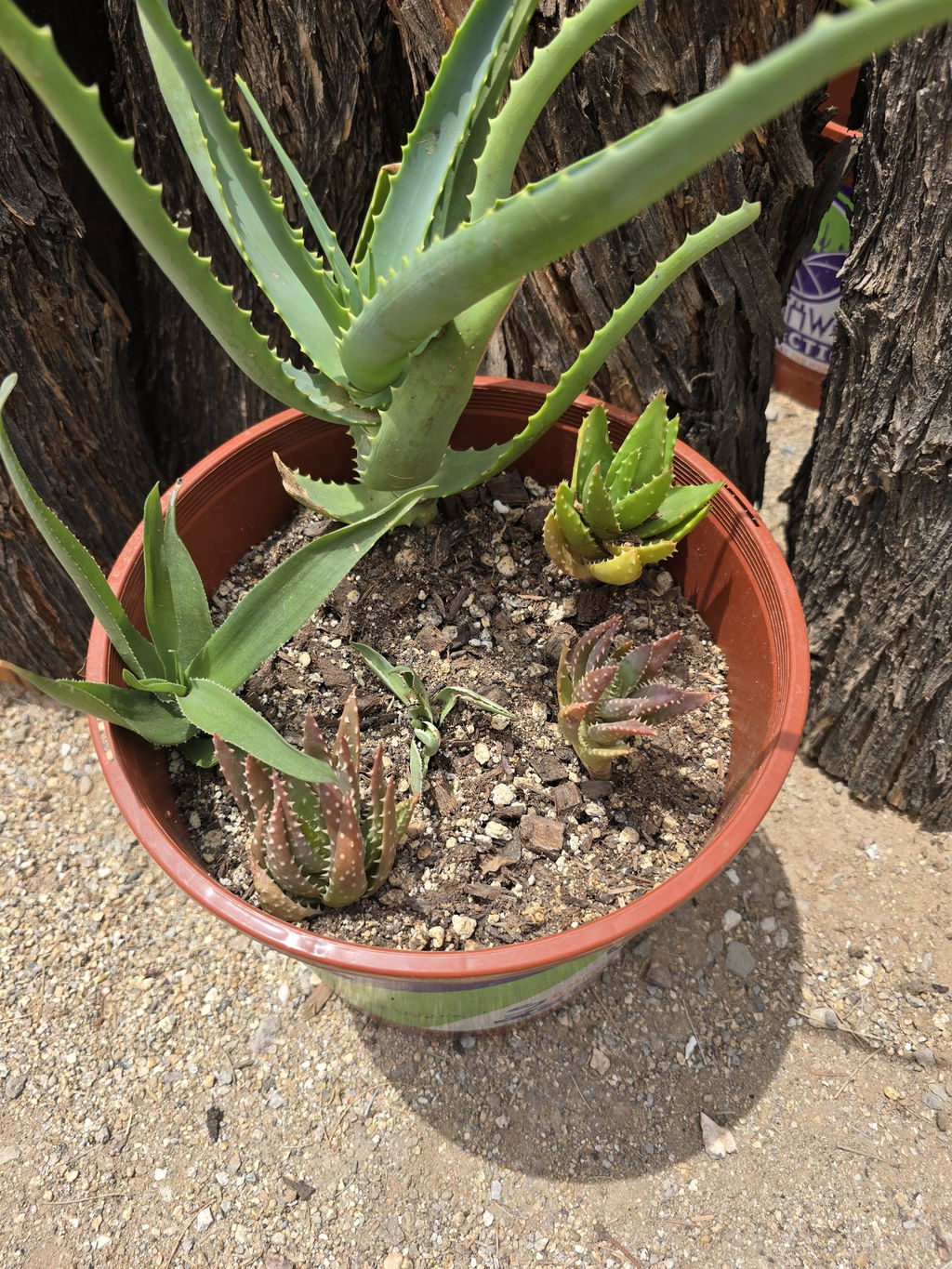
Aloe arborescens — photo from this product listing
Photo from this listing. See ordering details for exact specimens, assortments, and natural variation.

A closer look

Form, texture & room to grow.

A branching Aloe with long, arching leaves and the potential to grow into a substantial clump. Established plants can send up bold flower spikes that attract nectar-feeding birds. The mature flowering plant in the photos shows what this cutting can grow toward.

Aloe arborescens can make a large branching clump with showy flower spikes when established. The nursery’s mature yard plants illustrate its potential, not the size of this cutting. Although established plants tolerate some mild frost, this unrooted start should be kept frost-free.

The everyday essentials

How to keep it growing.

01 · Find the right light

Provide a bright window or a sheltered outdoor position. Gradually introduce morning sun after arrival. In hot inland locations, some afternoon shade can help protect leaves; dull indoor corners are usually too dark for compact growth.

02 · Check before watering

An unrooted start cannot use water like an established plant. Let fresh cuts seal, pot in an airy mix, and avoid keeping the base wet. Once roots are established and growth resumes, move toward a thorough wet-then-dry routine. Rooting may take several weeks or longer depending on the plant and conditions.

03 · Give roots air and drainage

Choose a free-draining cactus and succulent mix in a container with drainage holes. The mix should hold enough moisture for roots without remaining soggy. Keep the crown at its existing depth and use a container only modestly larger than the root ball.

04 · Adjust through the year

Growth rhythms vary among Aloes and hybrids. Check the plant and how quickly its mix dries rather than assuming every Aloe follows the same summer schedule. Water less during slow, cool, or very hot periods, and avoid a cold, saturated root ball.

Color changes; healthy growth matters. Sun, season, temperature, and watering can shift Aloe colors. Do not force red or golden tones with severe drought or sudden intense sun. Older dry tips and small scars remain on that leaf; later growth supplies fresh leaves.

Start here

The first few days at home.

Unpack and inspect the base. Let any fresh cut or shipping wound dry and seal before potting into a free-draining mix. Keep the plant upright in bright protected light. Some starts already have roots; an unrooted cutting needs time and careful moisture rather than a soaking on arrival.

Small dry marks, older leaf tips, or spine imperfections can occur on living nursery plants. They do not become perfect again on the same tissue; later healthy growth changes the overall appearance. If you see progressive softening, a collapsed base, or another concern on arrival, take clear photos and contact us.

Know what you’re seeing

Pests & common growing questions.

Leaves stretching or leaning?

The plant may need more light. Improve exposure gradually and rotate a pot occasionally for balanced growth. Old stretched leaves will not shorten, so judge the change in newer leaves.

Soft leaves or a dark crown?

Check for damp soil, damaged roots, and poor drainage. A collapsing crown or progressively mushy tissue needs attention; do not respond with repeated watering. A few dry older tips are a different issue.

Inspect before treating.

Check leaf bases and undersides for mealybugs or scale. On Aloes, distorted clustered growth can also warrant checking for Aloe mite. Isolate affected plants and identify the cause before treatment; repeated watering will not solve an insect or mite problem.

Old marks or an active problem?

Dry, stable surface marks differ from spreading discoloration, soft tissue, or a collapsing growing point. Check light, moisture, roots, and pests together. Keep a newly arrived plant separate while you learn its condition.

A few useful answers

Before you choose your spot.

Should I keep the pups together?

You can enjoy a healthy clump together while there is room, or separate established offsets after the plant has adjusted. Avoid dividing a newly shipped plant immediately unless there is a practical need. Some varieties naturally make fewer pups.

How can I grow more?

For a clumping Aloe, established offsets are the practical way to make more plants. Retain the pup’s crown and roots where possible, use clean tools, and let cuts seal before potting. A detached Aloe leaf is not a dependable substitute for a complete offset.

Will I receive the exact plant pictured?

Check the ordering details below. Standard nursery selections and assortments use representative photos. An exact-specimen listing refers to the specimen offered, but living plants keep growing and leaf colors can change between photography and shipping.

A few ordering details.

One Aloe arborescens cutting, approximately 12 inches long/wide. This is not the large flowering specimen photographed. It needs to establish roots; a rooted, potted plant is not included.

Container measurements describe the pot rather than a guaranteed plant diameter or mature height. Please review every option and photo before ordering. Natural variation in color, size, and form is expected.

Plant care references

SANBI: Aloe arborescens · NC State Extension: Aloe · Iowa State Extension: succulent troubleshooting. Ordering facts and nursery names come from this listing. A genus reference describes shared growing needs, not a verified identity or cold rating for an unnamed selection. Adjust care to your conditions.

Tips For Success

Estimate shipping

We take the stress out of Weddings, Showers, & Events with our:
Excellent Customer Service, Safe Shipping, and Beautiful Succulent Favors.

You may also like

Recently viewed