#110 Corpuscularia Lehmannii 2"


Price:
Sale price$ 3.90

Description

The Succulent Source · Plant notes

Meet Corpuscularia Lehmannii.

Soft succulent · Protect from frostOverwinter frost-free. Move indoors or to a frost-free shelter before freezing weather; avoid cold wet roots.

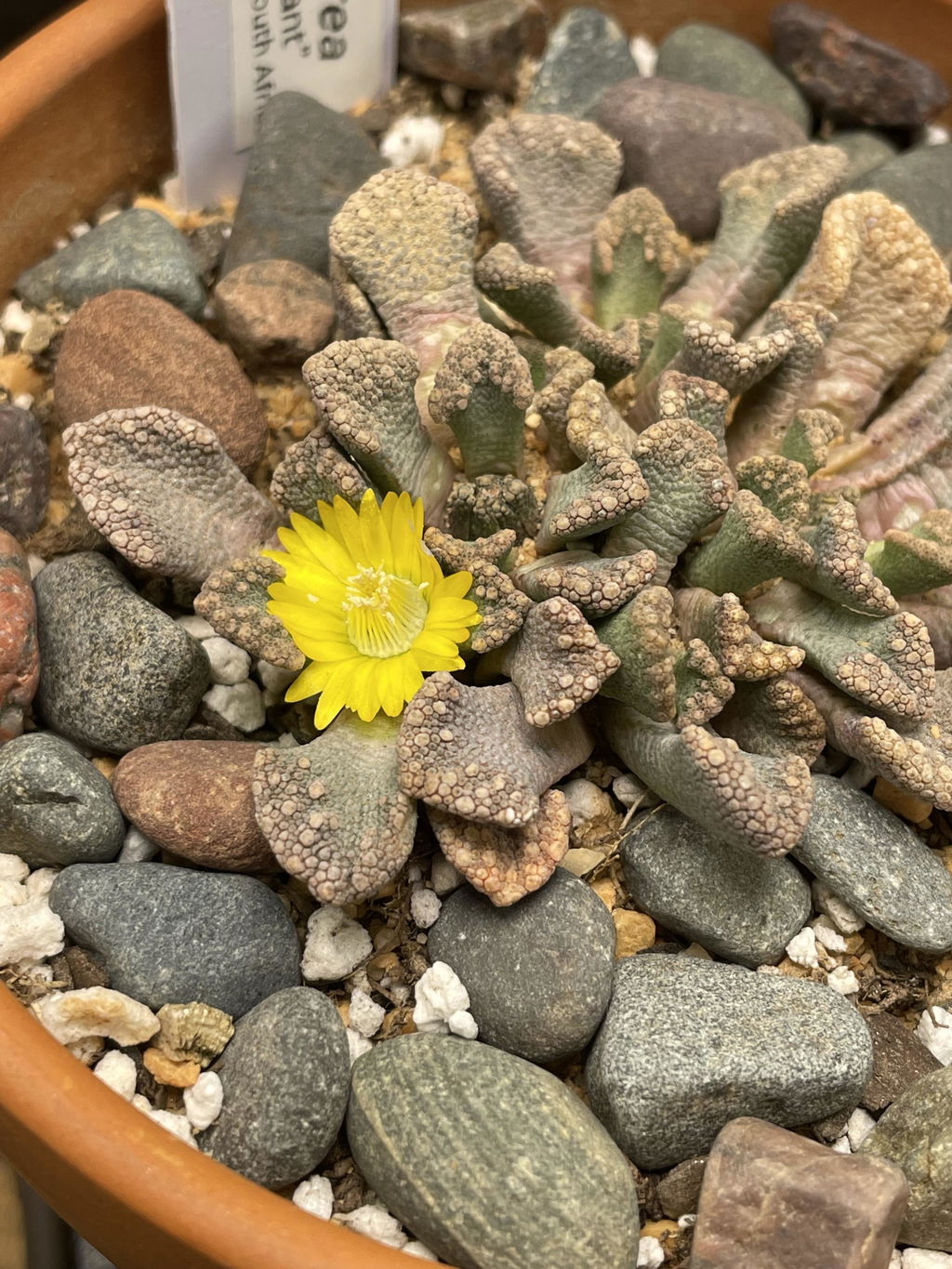
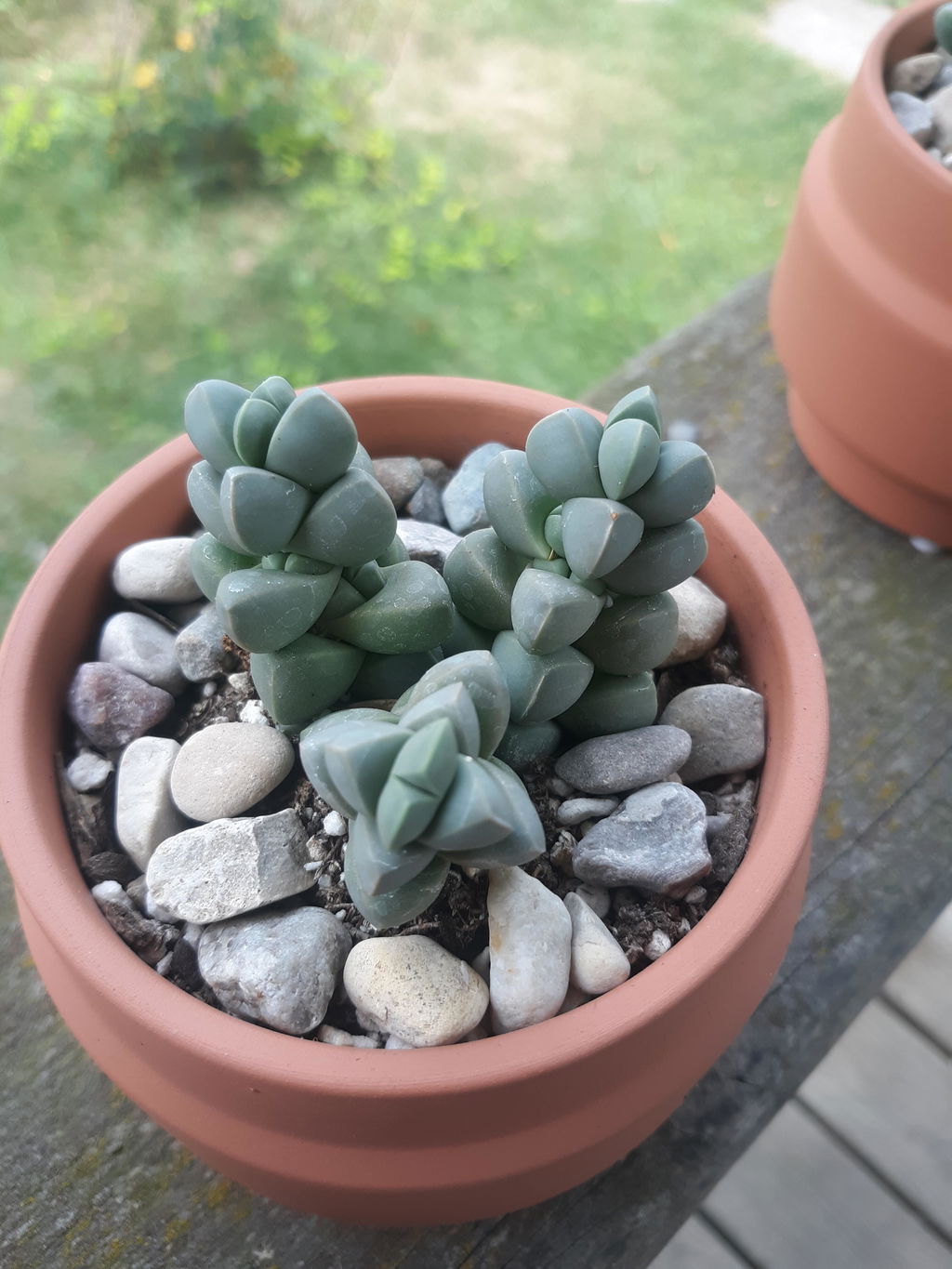
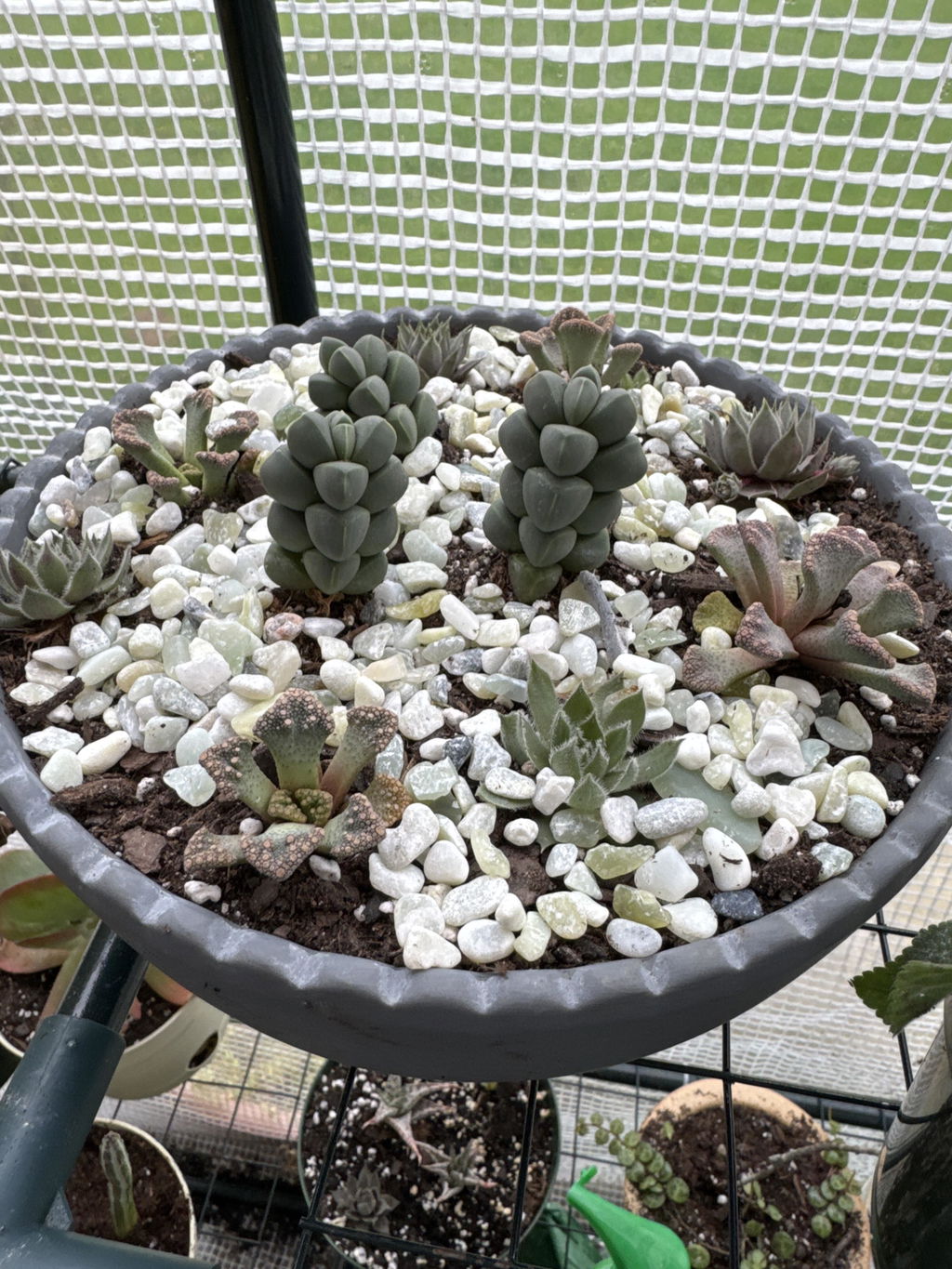
Pairs of plump, angular gray-green leaves build a compact, textured plant, giving Corpuscularia lehmannii a distinctive geometric look.

What you’re ordering: the specific nursery type shown in this listing. Photos show examples from our nursery; your individual plant will vary.
  • LightBright light; introduce sun gradually
  • WaterLet the mix dry between waterings
  • SoilAiry, free-draining mix and drainage holes
  • Cold hardinessSoft succulent
    Protect from frost
Corpuscularia Lehmannii in a nursery container at The Succulent Source
Our nursery photo; individual plants vary in color, size, and form.

A closer look

What makes it different.

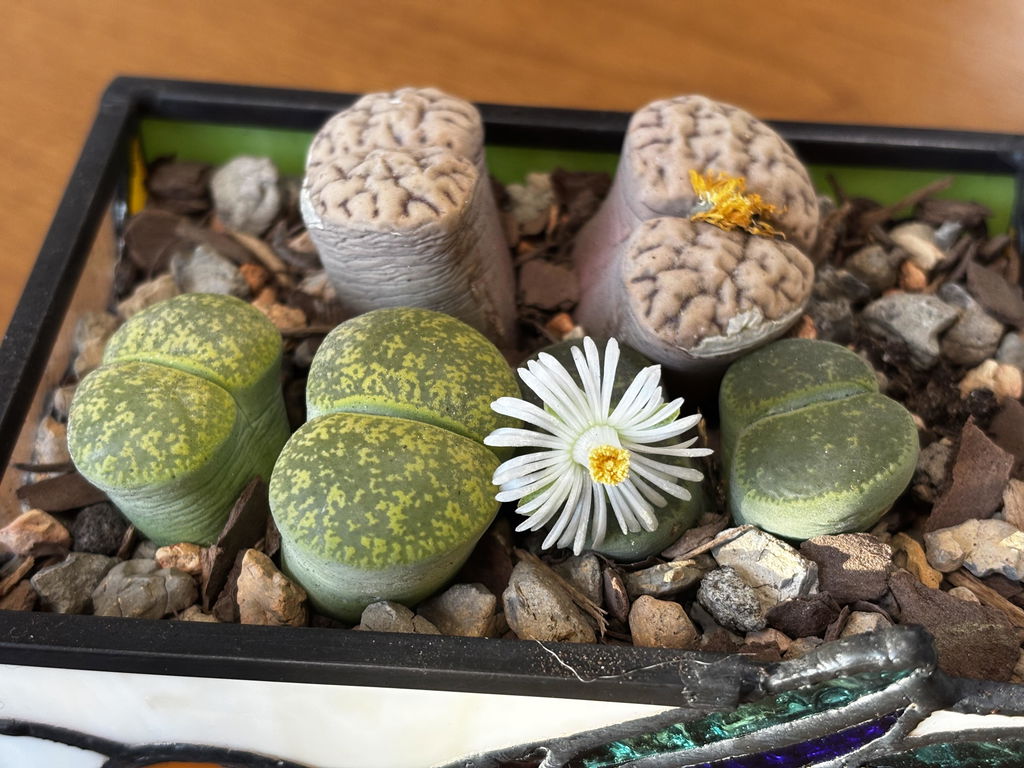
Its leaves can wrinkle when thirsty, but the roots still need air and drainage. Check the soil before watering and avoid treating it like a Lithops with a dry leaf-replacement cycle.

Pairs of plump, angular leaves build up along short branches to form a low clump. Mature plants can produce small daisy-like flowers. The starter pot is small, but the plant can gradually branch and spread as it establishes.

The everyday essentials

How to keep it happy.

01 Find the right light

Choose a bright window indoors or a sheltered, bright outdoor spot. Introduce direct sun gradually, especially after shipping. Greenhouse-grown leaves can scorch if moved straight into strong afternoon sun.

02 Water with the plant’s needs in mind

Let the mix dry, then water thoroughly and drain. Check it regularly in active growth: the fleshy leaves can become visibly wrinkled if the plant stays dry too long. If it wrinkles while the mix is wet, inspect the roots instead of adding more water.

03 Give the roots air and drainage

Use a free-draining cactus and succulent mix in a pot with drainage holes. If the mix stays wet too long, add a suitable mineral amendment such as pumice or perlite. Repot into a container only a little larger than the roots.

04 Adjust through the year

Check the soil more often during active growth. When growth slows in cool or lower-light conditions, water less often. Avoid leaving cold roots in wet soil, and move frost-tender plants to a protected location before freezing weather.

Check what the wrinkles are telling you. Wrinkled leaves and dry soil may indicate thirst; wrinkled leaves with wet soil may indicate a root problem. This plant should not be put on a Lithops-style dry leaf-replacement routine.

Start here

The first few days at home.

Unpack promptly and gently clear away loose packing material. Begin in bright, protected light while the plant adjusts after shipping. Check the mix before adding water, and introduce stronger sun gradually.

Give the roots time to settle in the nursery pot before choosing a permanent container. Small cosmetic marks can occur on living plants. If something concerns you on arrival, take clear photos and contact us for help.

Know what you’re seeing

Pests & common growing questions.

Stretching or losing its shape?

Long gaps between leaves, a widening rosette, or pale new growth can indicate insufficient light. Improve light gradually. Old stretched growth will not compact again, so judge the response in new growth.

Soft tissue and damp soil?

Soft, yellowing leaves or a darkening stem can signal excess moisture and possible rot. Stop adding water, check drainage, and inspect the roots. Shrivelling can also occur when damaged roots cannot take up water.

Cottony clumps in leaf joints?

Inspect for mealybugs and separate an affected plant from others. Cottony clusters differ from normal hairs, waxy coatings, or raised leaf markings. Identify the pest before choosing a treatment and follow its label.

A mark on an older leaf?

A few dry older leaves or minor surface marks can be normal. Progressive tissue collapse, a darkening stem, or repeated unexplained leaf loss deserves a closer look. Check moisture, light, roots, and pests together.

A few useful answers

Before you choose your spot.

Can it grow indoors?

Yes, provided the spot supplies enough light and the pot drains well. Watch the new growth: pale, stretched growth generally needs more light. A grow light can help when window light is limited.

How can I grow more?

Healthy stem cuttings can be rooted after the cut ends have dried. Use a light, free-draining mix and gradually acclimate rooted plants to stronger light. Wait until your starter has grown enough to spare a healthy branch.

Will I receive the exact plant in the photo?

You receive this listing’s nursery type, not the exact individual photographed. Photos show representative plants. These are juvenile specimens, so color, size, shape, and the number of rooted plants can vary. Please check the ordering details below.

A few ordering details.

You receive a young plant of this listing’s nursery type in a basic plastic container, usually black or orange, approximately 2 inches wide across the top and 2 inches tall. The measurement refers to the pot, not a guaranteed plant width. Size, color, and form vary through the year.

Depending on the variety and how it grows, a pot may contain one or several smaller rooted plants; the number is not fixed. We select healthy plants from the stock available when your order is packed.

Delayed shipping is not available for these specific types because our nursery stock changes frequently. Please review our shipping information before ordering.

Plant care references

SANBI: Corpuscularia lehmannii · Iowa State Extension: indoor succulent care · Iowa State Extension: succulent troubleshooting. Nursery names and representative photos come from this listing. Adjust care to your own growing conditions.

Tips For Success

Estimate shipping

We take the stress out of Weddings, Showers, & Events with our:
Excellent Customer Service, Safe Shipping, and Beautiful Succulent Favors.

You may also like

Recently viewed